


CREATE IDEAL GROWING CONDITIONS
BROWSE POPULAR POLYTUNNELSGrow All Year Around With Our Best Garden Tunnels
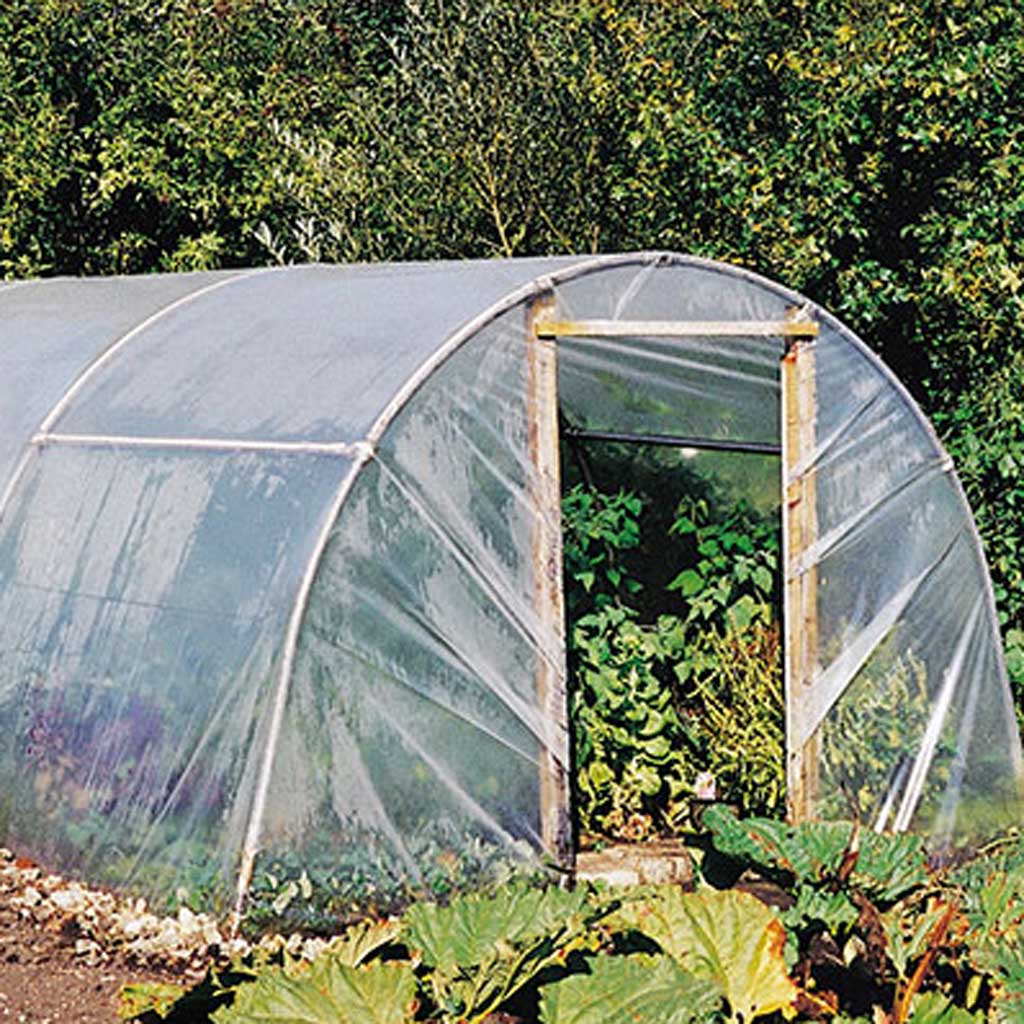
Enjoy watching your favourite fruits and vegetables grow steadily under waterproof and windproof protection. Whether you are looking for a semi-permanent or light weight structure that is easy to move, choose among our best-selling products below ranging from polytunnels, grower frames, raised bed systems and cloche tunnels.
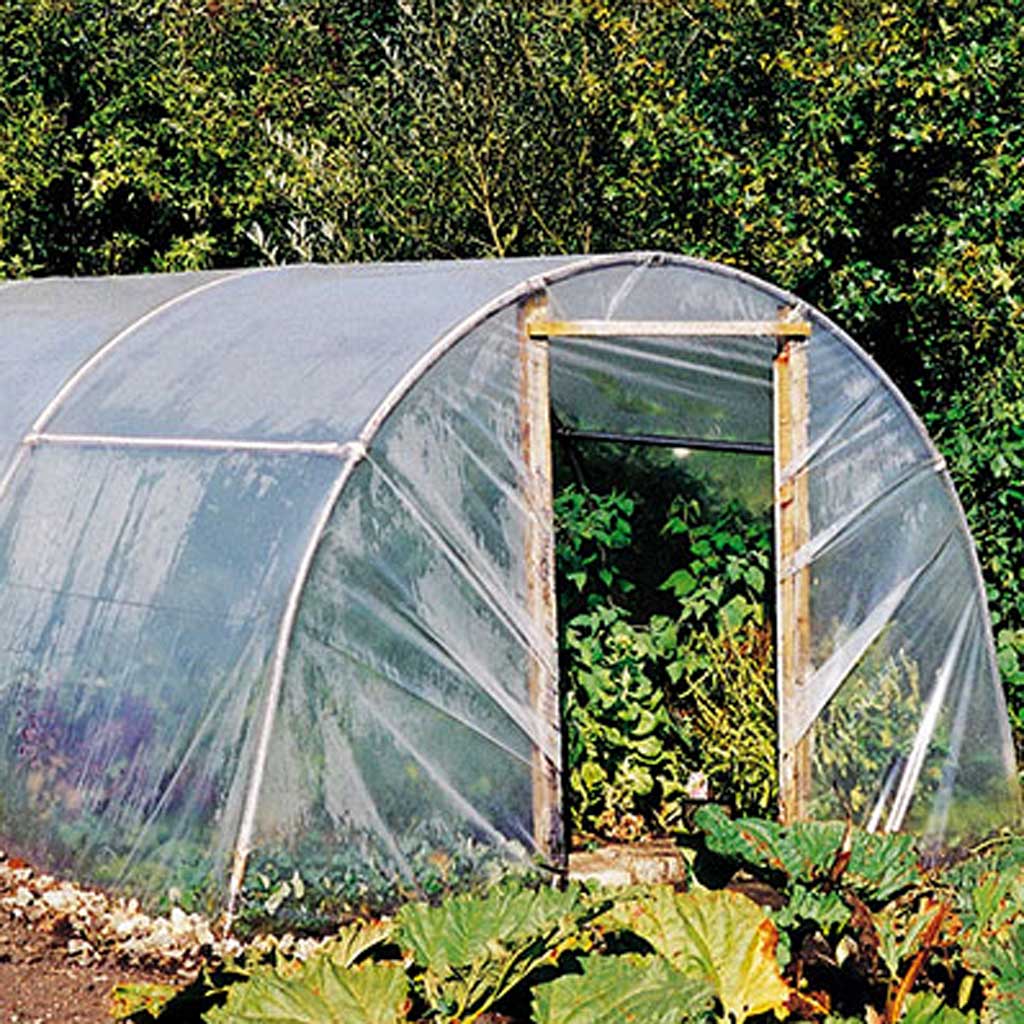
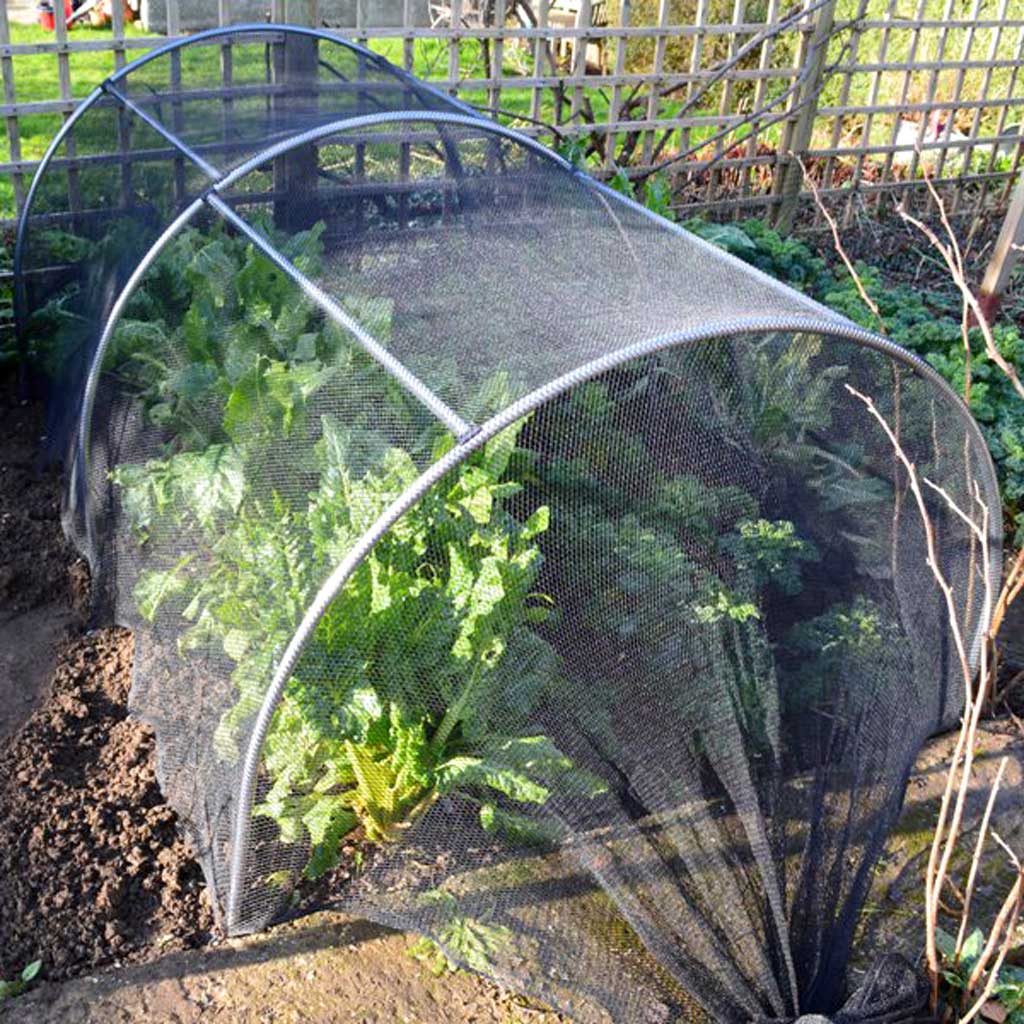
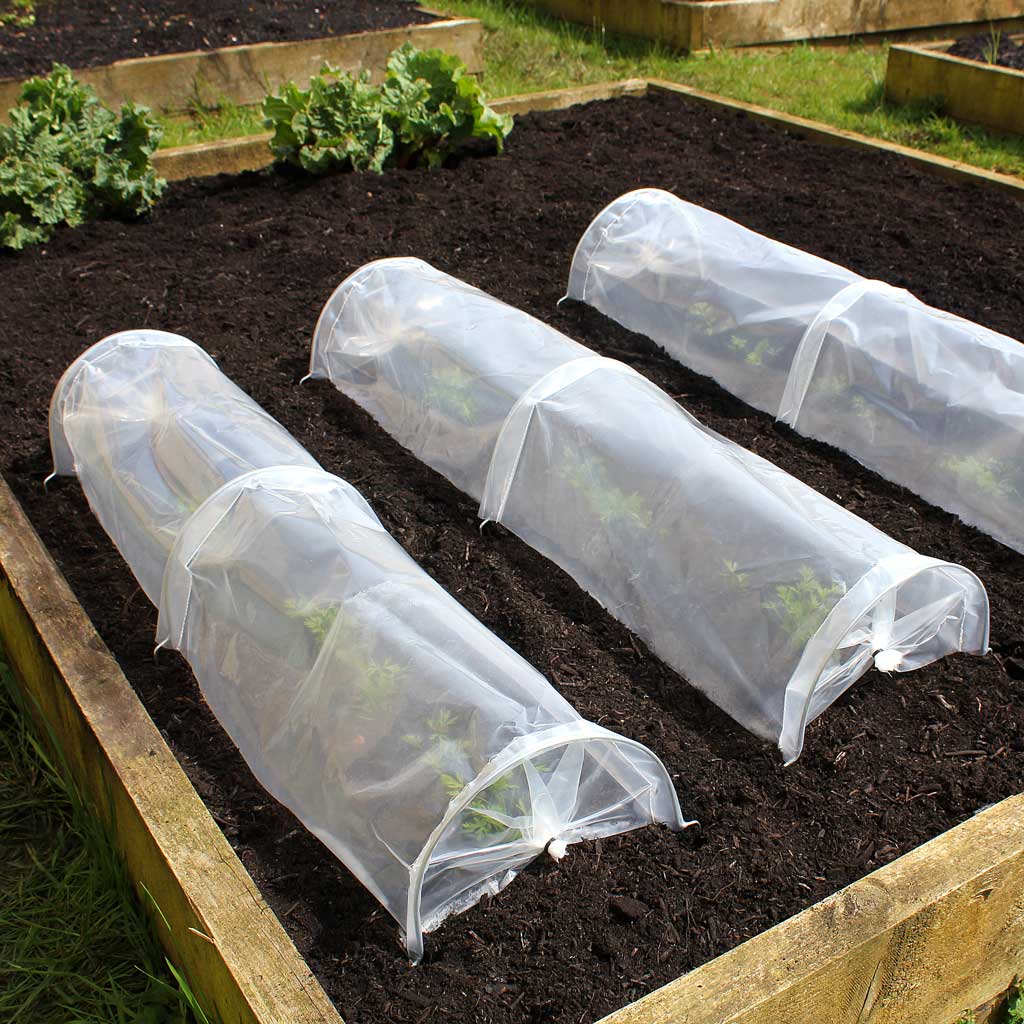
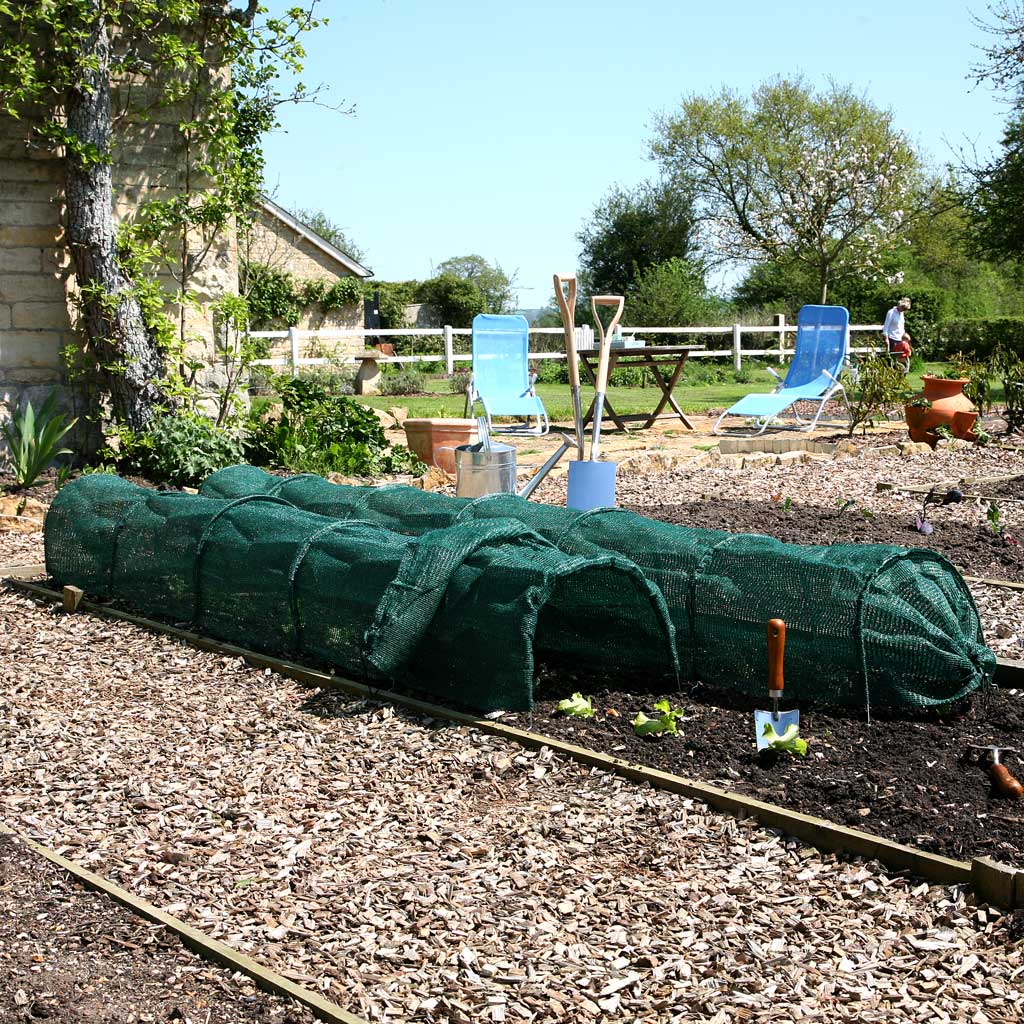
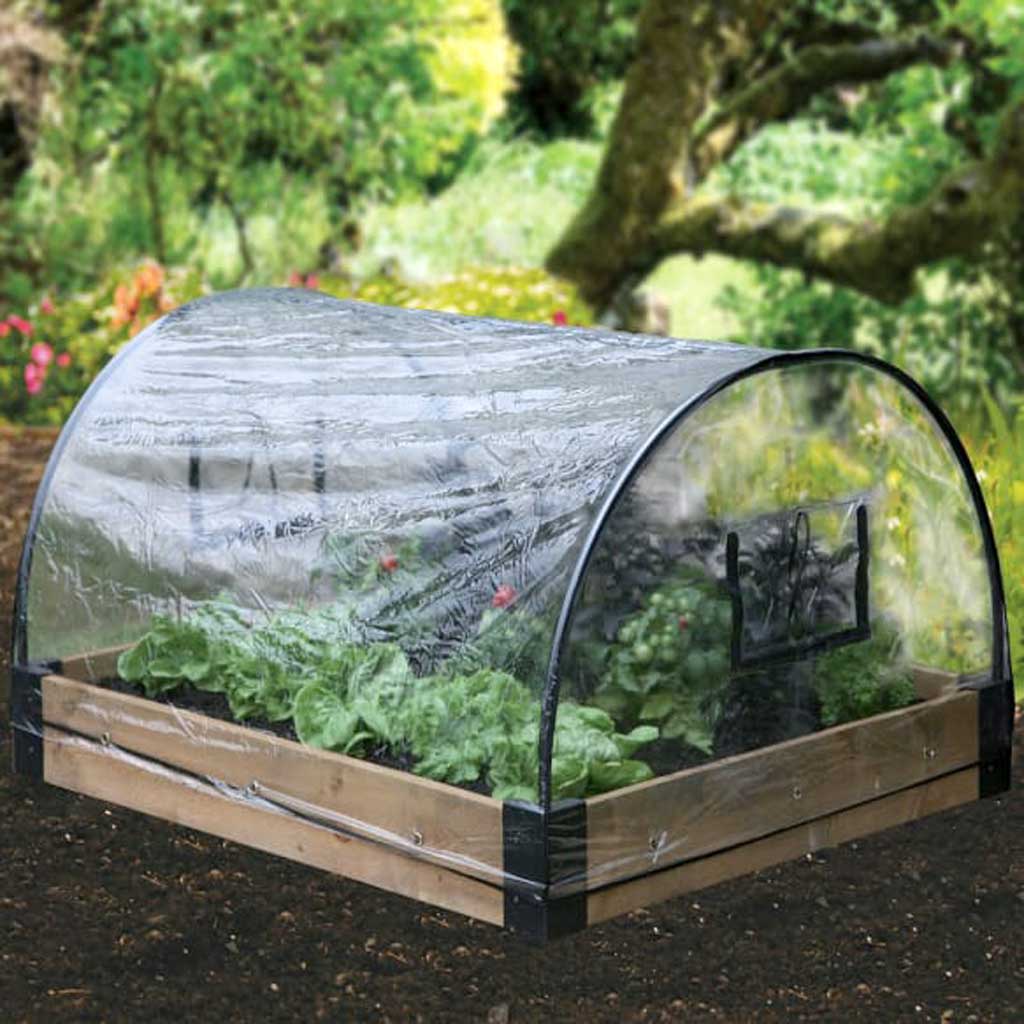
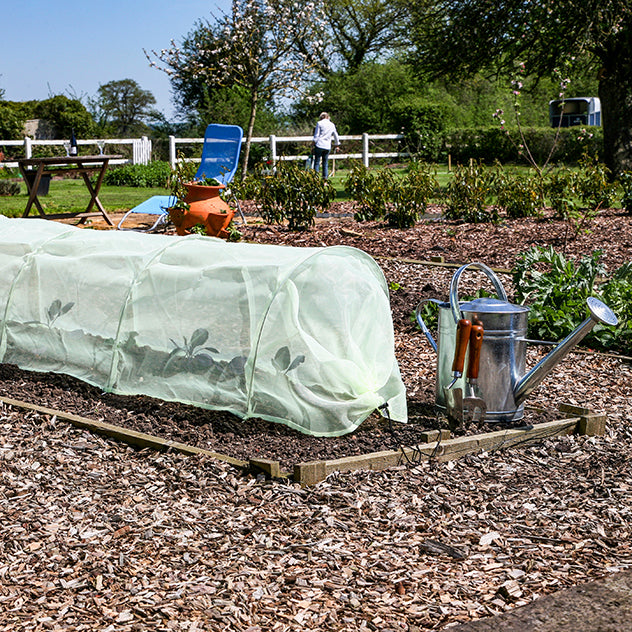
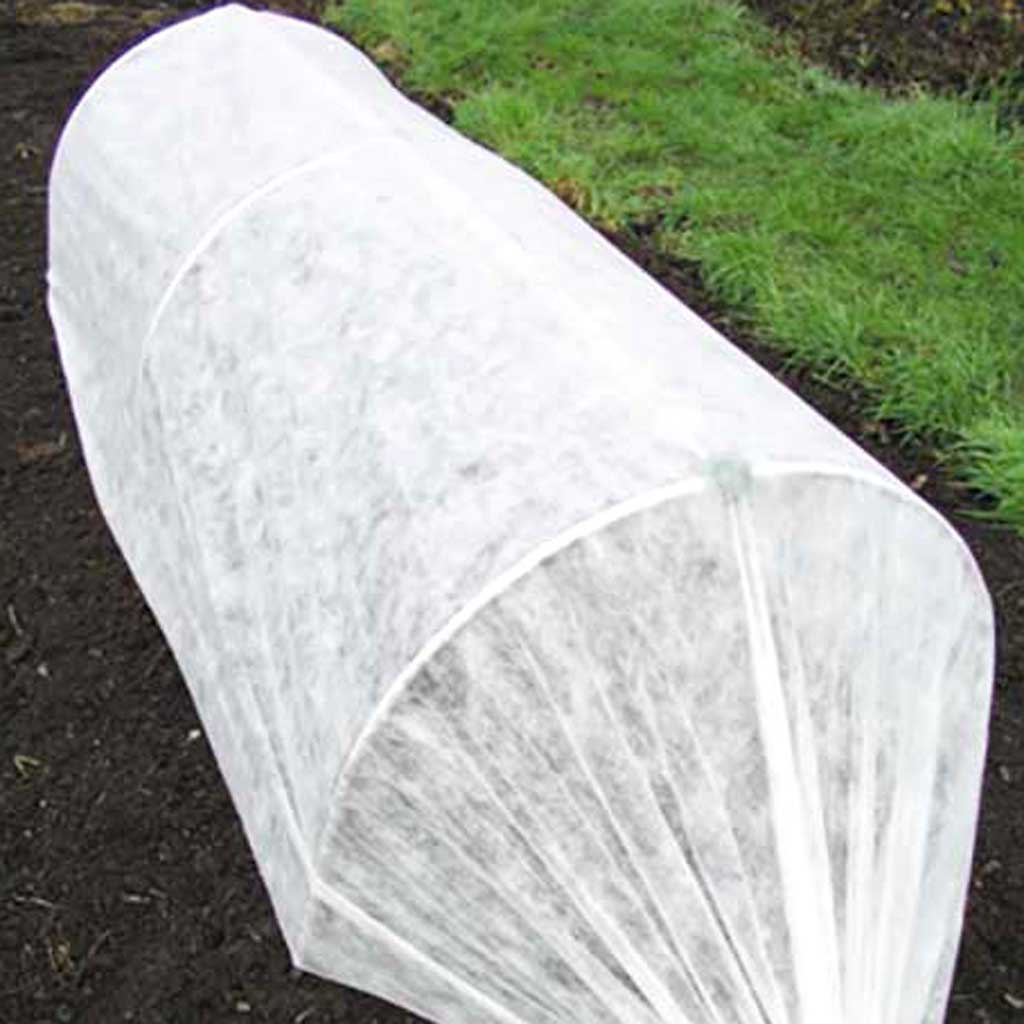
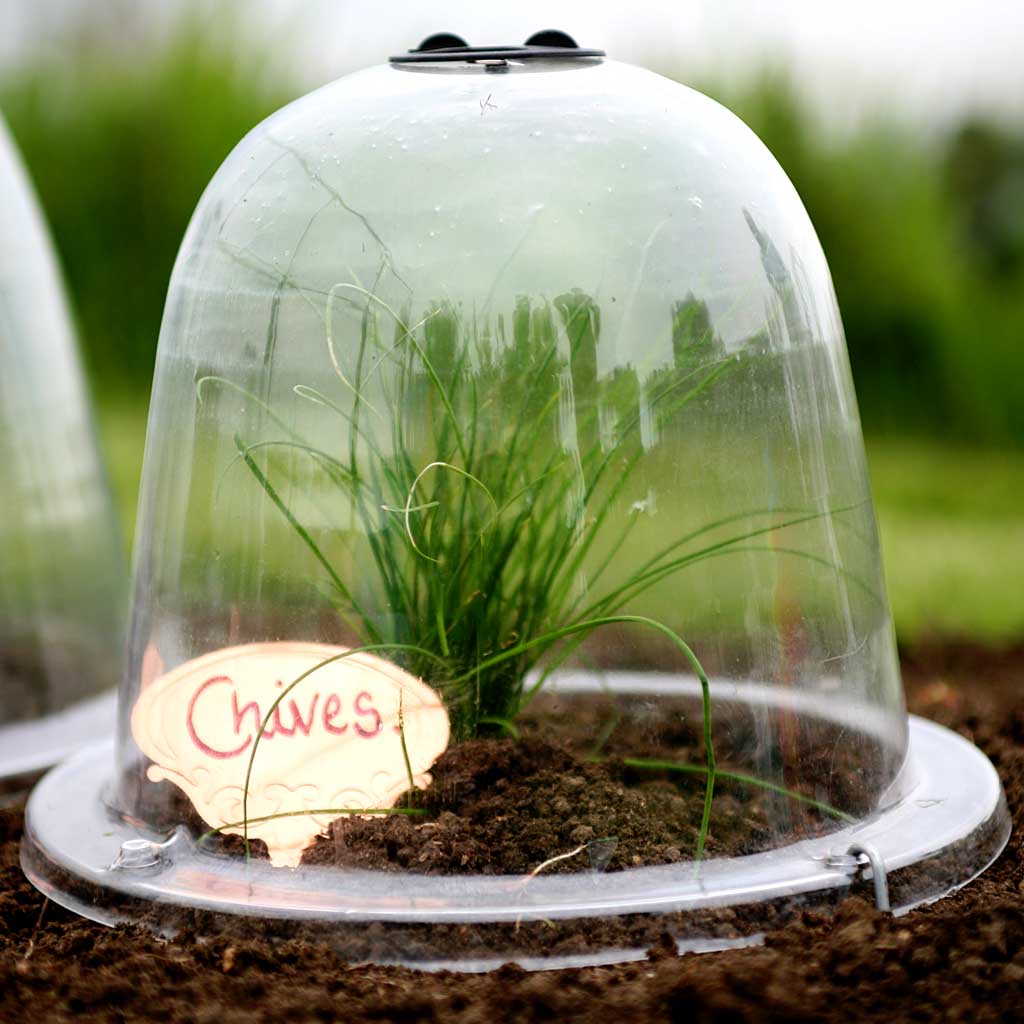

Grow All year around with our best garden tunnels
Available in various sizes, they are a nice and easy fit for any outdoor space. Enjoy watching your favourite fruits and vegetables grow steadily under waterproof and windproof protection. Whether you are looking for a semi-permanent or light weight structure that is easy to move, choose among our best-selling products below.

Start Your Seedlings in Grow Tunnels
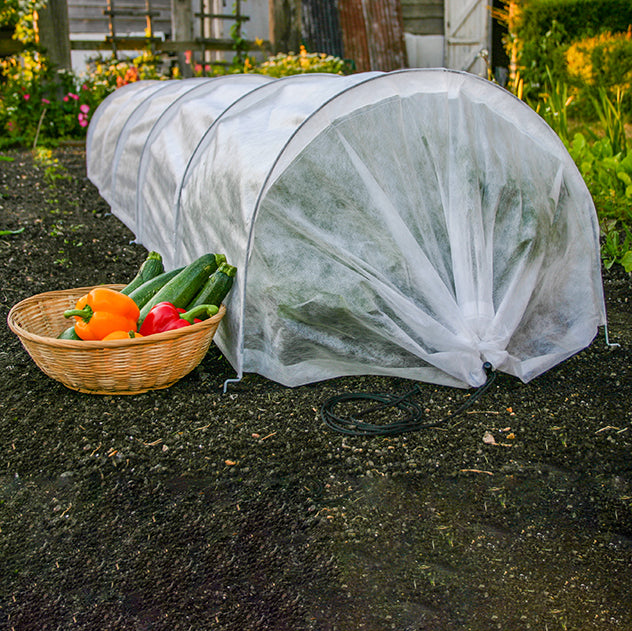
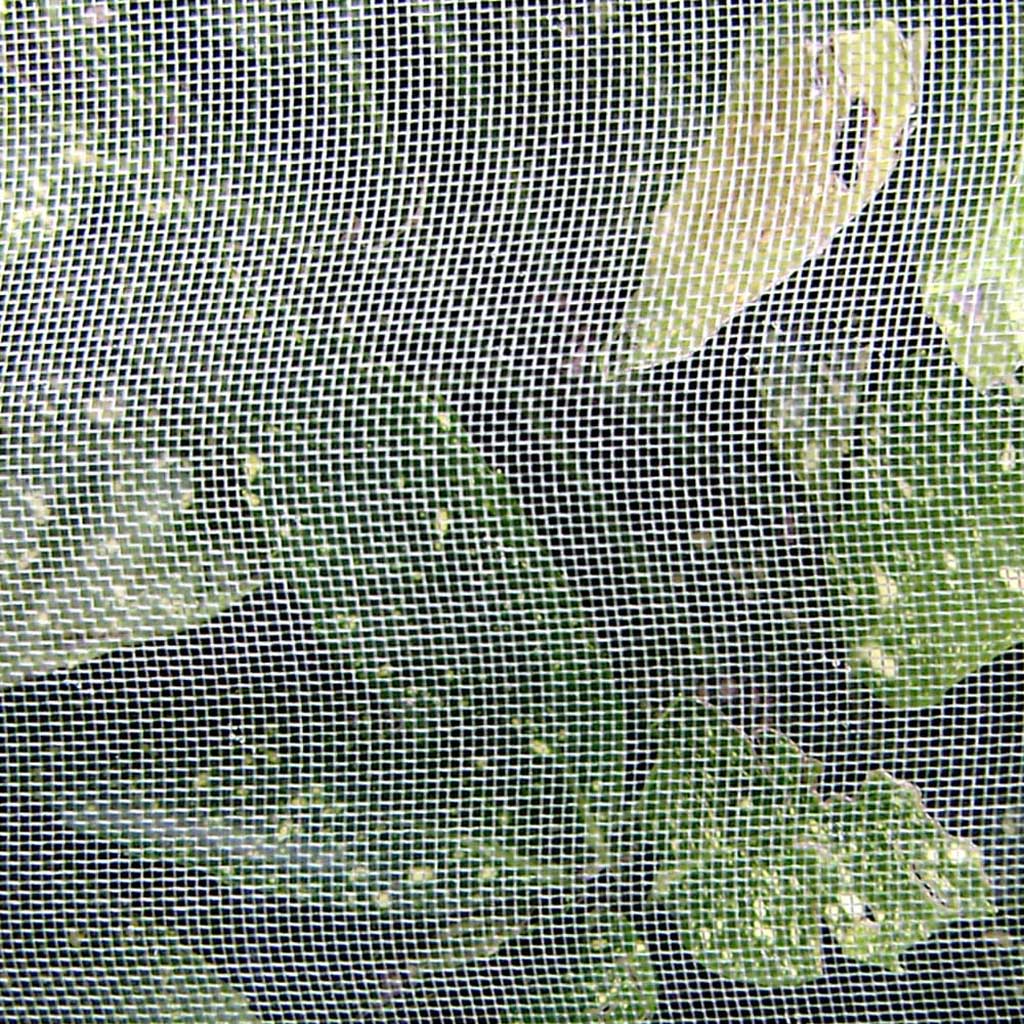
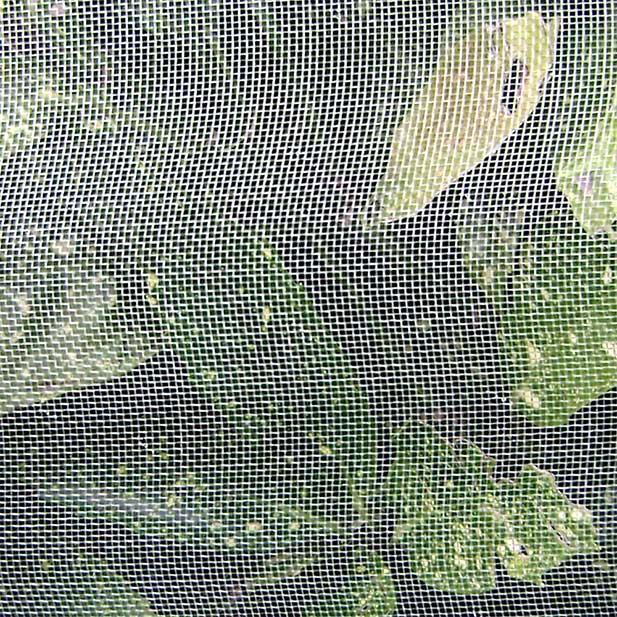
Give your seedlings the environment they need to grow with our unique range of grow tunnels. We supply materials to protect from insects, birds, wind or heavy rain from damaging your small crops. Choose between a fleece, micromesh, net or polythene cover options below. They are large enough to stand on their own on top of raised beds, patio planters or directly in your garden patch. Our grow tunnels are designed to sit above your row of veg and stay put with secured ground pegs.


Useful Accessories You'll Need
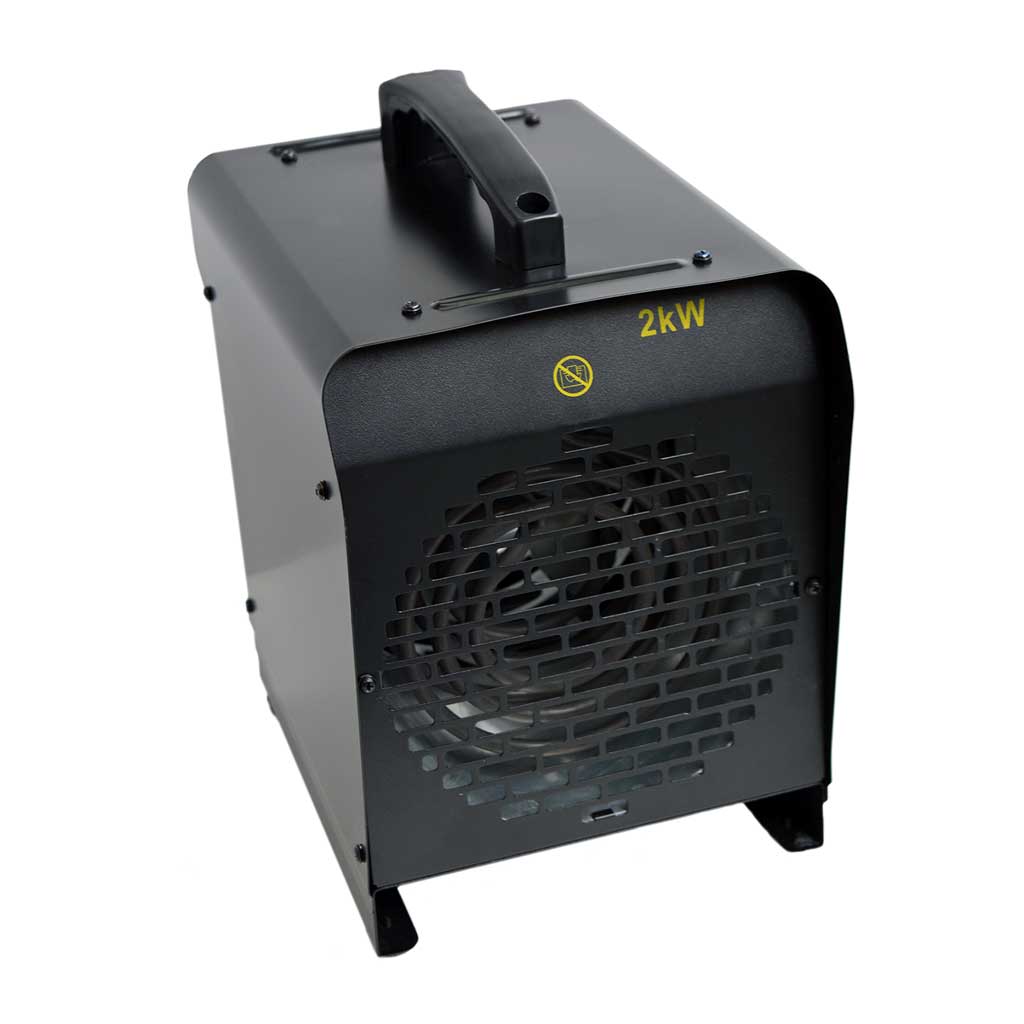
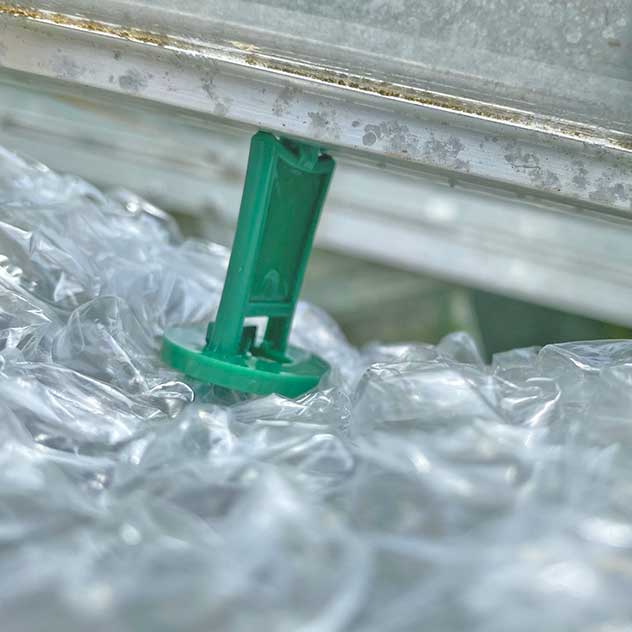
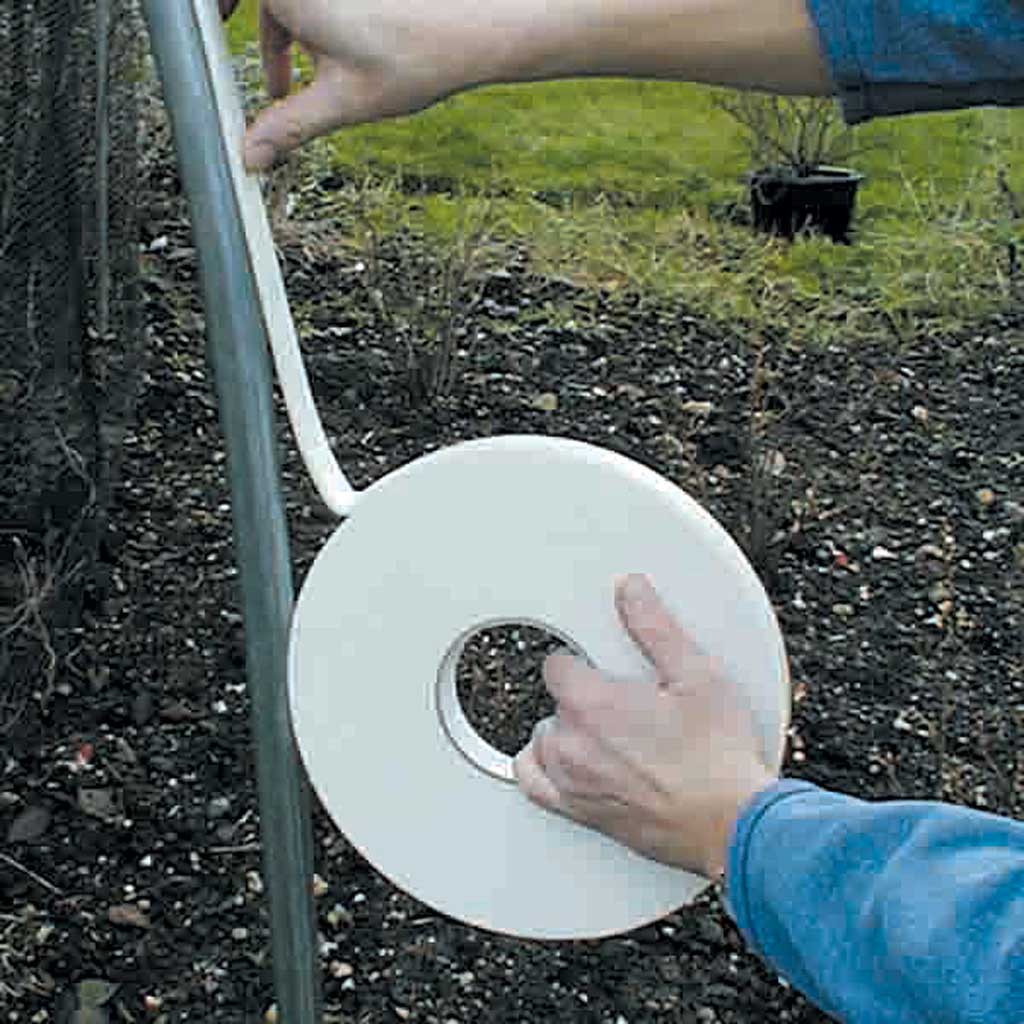
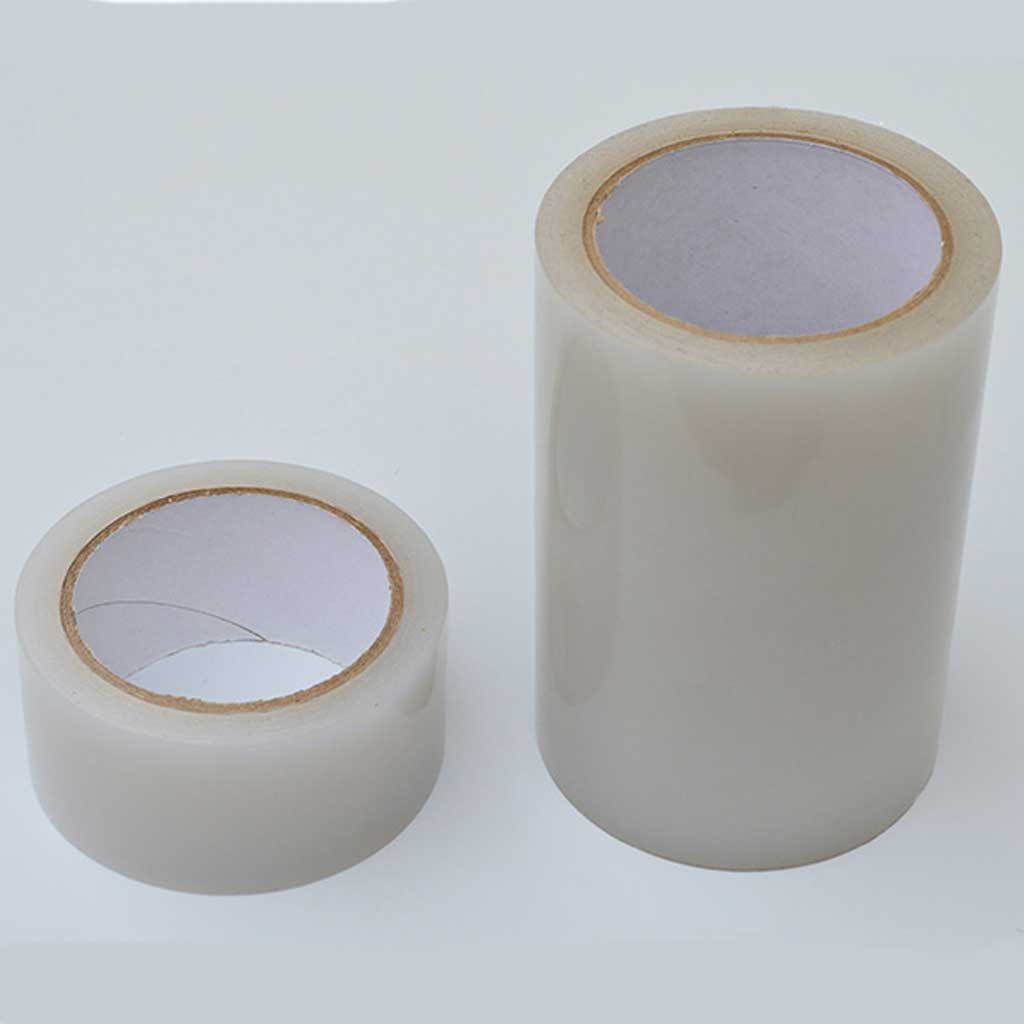
If you need replacement parts for either polytunnels or greenhouses we offer them in the ranges below. For polytunnels we supply hot spot tape, ventilation and repair material. Our collection of greenhouse accessories include items such as greenhouse heaters and many types of clips and fittings to provide shade to your greenhouse.
Polytunnels & Cloche Tunnels FAQ
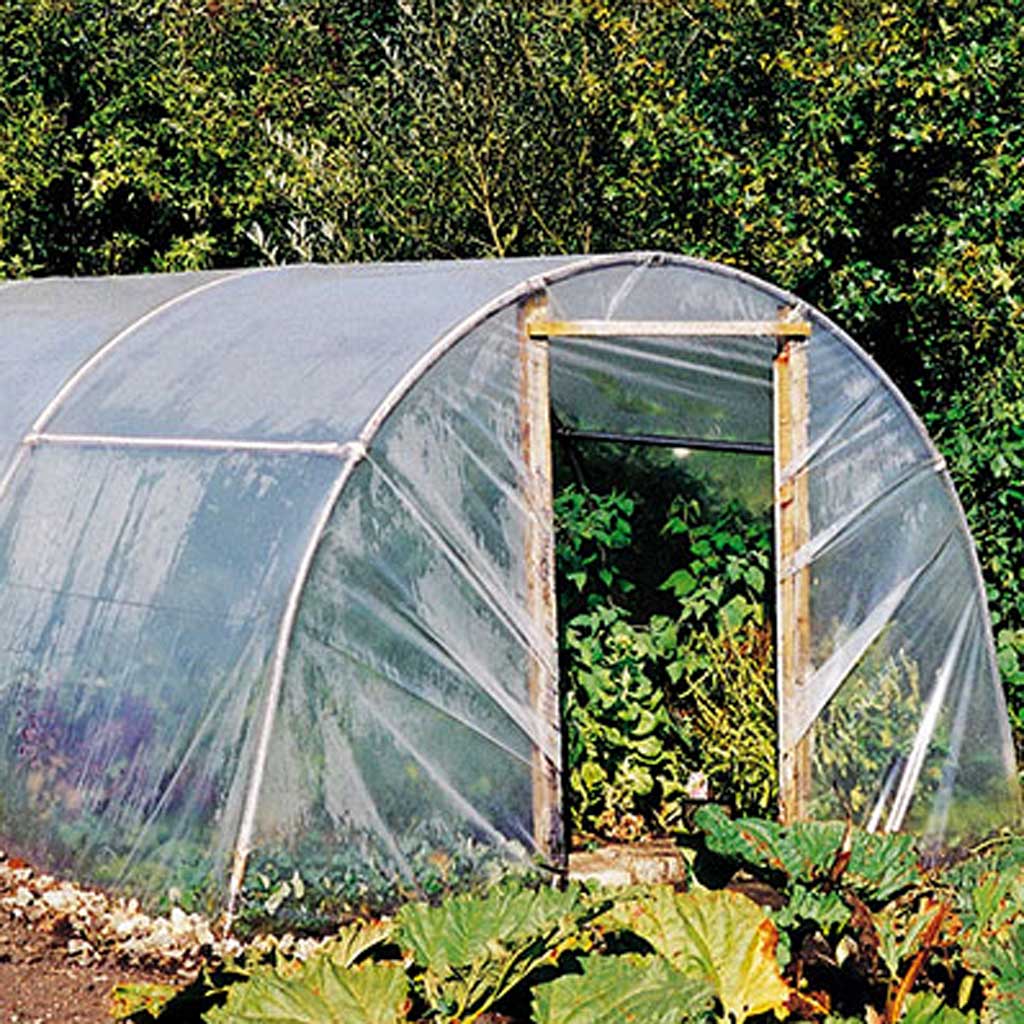
Polytunnels can be built on sloping ground, but a flat surface is preferable. Make sure to first clear the area of brambles, hawthorns and other sharp plants which could tear the polythene cover material. Once you have cleared the area, please follow our garden polytunnel instructions which are included with the product.
Choose a fair weather day to fix your polytunnel cover.
1 - Use our anti-hotspot tape to the outside edge of the metal frame where the polythene cover could otherwise touch the metal. Two people are required to lay out the sheet on the ground along one side. Also, note that the polythene cover has an inside and an outside which is marked on the cover.
2- Put one edge in the trench and weigh it down with some stones.
3- Pull the other long edge over the top of the frame and weigh it down the same way.
4- Roughly cut out the surplus sheet inside the door frame at one end leaving a 300 mm overlap.
5- Wrap the sheet at the top of the door frame round a pice of short batten and nail it to the inside of the top of the tunnel.
6- Repeat the sheet wrapping on the other end of the tunnel and ensure the polythene sheet is stretched tight along the top of the tunnel.
7- Wrap the long battens round the sheet at the sides of the door frame but insert pleats in the polythene. Nail them to the inside of each side of the door frame.
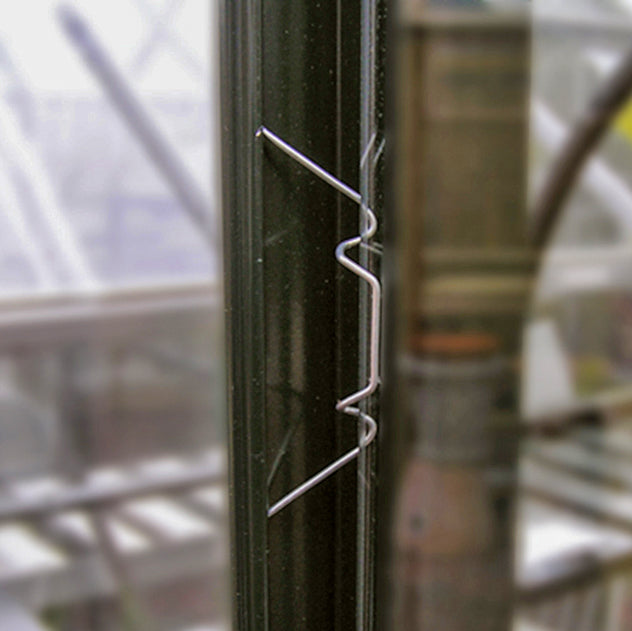
To build the polytunnel door, attach the polythene to the frame using the spring clips. The hinged doors are then screwed onto the door frame.
You will need to drive the ground tubes vertically into the ground using a lump hammer and a piece of scrap wood taped over the end of the tube to protect the end. The tube should be driven 600 mm into the ground so that the rod through the tube is level with the ground.
After you have inserted all the other hoops in their respective ground tubes, connect the ridge tubes and then the four side tube at the four corners using a wooden mallet to drive the clamp into the side tube.
Dig a trench about 300mm (1ft) deep all around the tunnel except where the doors will be. Re-tension the sides of the polytunnel by moving the stones in the trenches pulling until the polythene is taut.
Then, fill in the trenches with the removed soil to bury the polythene.
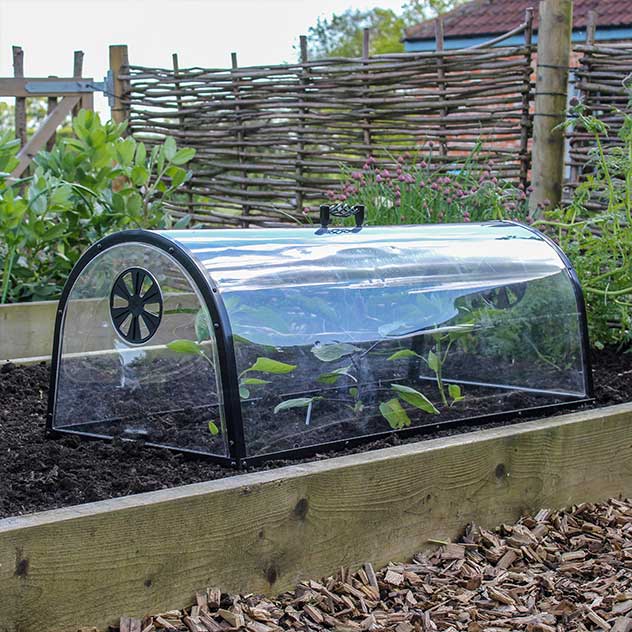
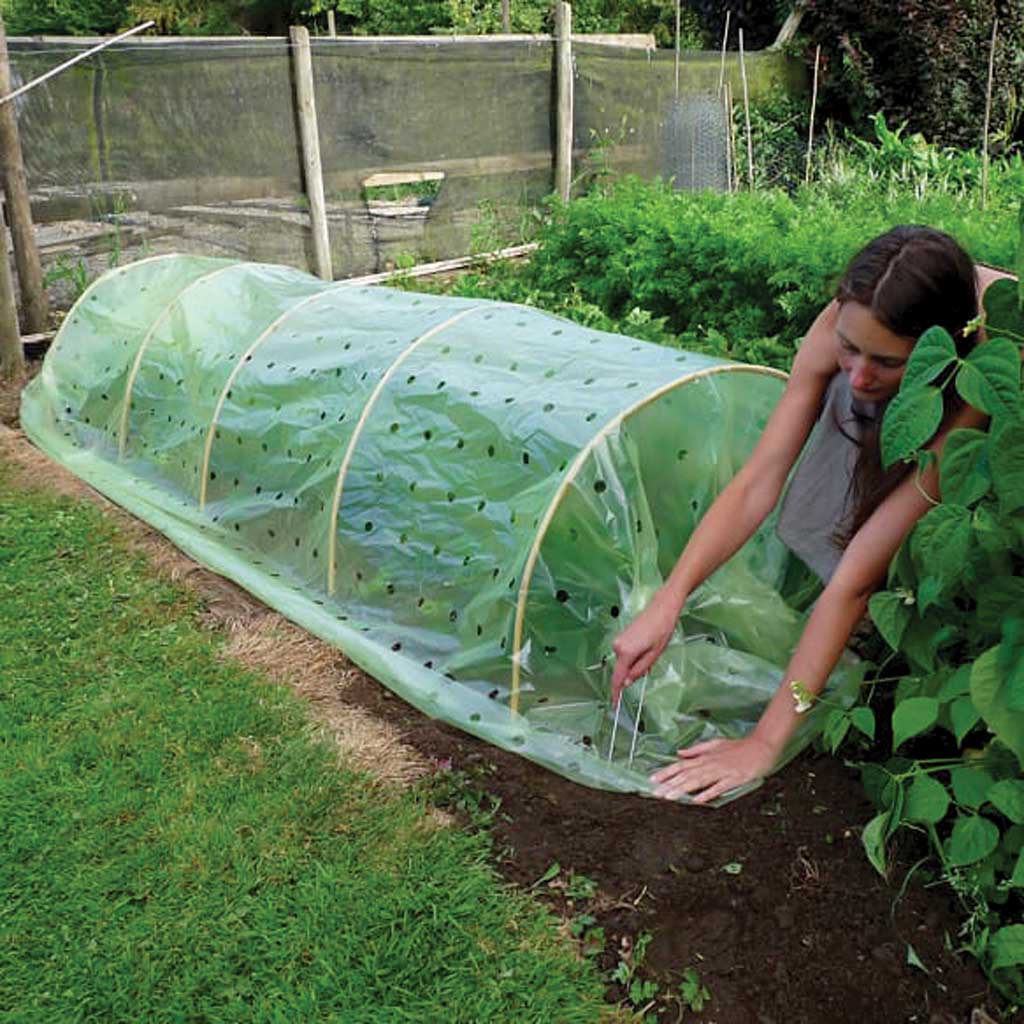
Cloche tunnels are a lighter alternative to protect your crops compared to greenhouses and polytunnels. They also benefit from being portable and aren't a permenant fixture.
Used to protect rows of low growing plants such as carrots, leeks or radishes, they can also cover low fruits such as strawberries. You can start to use them around the garden in early spring for seedbeds and seedlings. Throughout the summer and until September, taller cloches can be used to promote ripening of aubergines, tomatoes and peppers.


Related Products


Trust Knowle Nets
Our heritage can be traced back to 1965 at Knowle Farm Bridport, Dorset - the home of net making since the 9th century.
This tradition of hand finishing continues to this day in our exceptional modern Bristol workshops where all netting and tubes are cut by hand to fit your exact sizing. Each order is carefully packaged with clear instructions for easy installation.
Knowle Nets structures have unique tapered ends to the top tubes, allowing all poles to be joined directly. A much stronger structure built to withstand years of work and weather, backed by our 10 year structural guarantee.

Blog posts
View all

